
STEP primarily targets projects in their development and manufacturing phases (technology readiness level from 4 to 9). By concentrating on these stages, it helps EU projects turn innovative ideas into real products ready for the market.
For a detailed perspective into implementing STEP, read the updated STEP Guidance (December 2025) that complements the first STEP Guidance Note (May 2024). This second guidance clarifies the scope of STEP following its extension to defence technologies as well as other elements relevant to STEP implementation.

This sector encompasses a wide array of technologies such as advanced semiconductors, artificial intelligence, robotics and quantum technologies. They are critical to tackling pressing global issues, including climate change, sustainable energy, connectivity and navigation.
Examples (indicative and non-exhaustive):
Advanced semiconductors technologies
Microelectronics, including processors; photonic, including high-energy laser technologies; high frequency chips; semiconductor manufacturing equipment at very advanced node sizes; space-qualified semiconductor technologies.
Artificial intelligence technologies
AI algorithms; high performance computing (HPC); cloud and edge computing; data analytics technologies; computer vision, language processing, object recognition; privacy-preserving technologies (e.g., federated learning).
Quantum technologies
Quantum computing; quantum cryptography; quantum communications; Quantum Key Distribution (QKD); quantum sensing, including quantum gravimetry; quantum radar; quantum simulation; quantum imaging; quantum clocks; metrology; space-qualified quantum technologies.
Advanced connectivity, navigation, and digital technologies
Secure digital communications and connectivity, such as RAN (Radio Access Network) & Open RAN (Radio Access Network), and 5G and 6G; cyber security technologies, including cyber- surveillance, security and intrusion systems; digital forensics; internet of things and virtual reality; distributed ledger and digital identity technologies; guidance, navigation, and control technologies, including avionics and maritime positioning, and space-based PNT; satellite-based secure connectivity.
Advanced sensing technologies
Electro-optical, radar, chemical, biological, radiation and distributed sensing; magnetometers, magnetic gradiometers; underwater electric field sensors; gravity meters, and gradiometers.
Robotics and autonomous systems
Autonomous habited and uninhabited vehicles (space, air, land, surface, and underwater), including swarming; robots and robot-controlled precision systems; exoskeletons; AI-enabled systems.
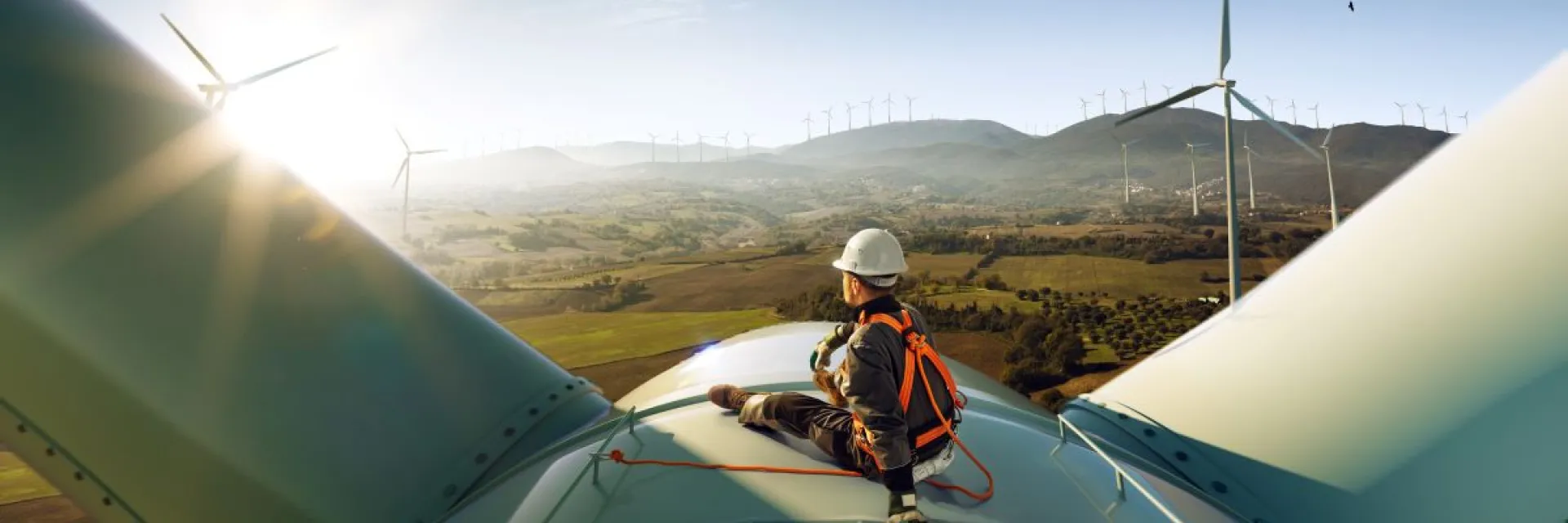
STEP accelerates the development and manufacturing of clean energy technologies, energy storage innovations, and decarbonisation solutions in the EU. Such innovations foster environmentally sustainable and cost-effective solutions for the green transition.
Examples drawing from the Net Zero Industry Act (indicative and non-exhaustive):
Solar technologies
Solar photovoltaic technologies; solar thermal electric technologies; solar thermal technologies; other solar technologies.
Onshore wind and offshore renewable technologies
Onshore wind technologies; offshore renewable technologies.
Battery and energy storage technologies
Battery technologies; energy storage technologies.
Heat pumps and geothermal energy technologies
Heat pump technologies; geothermal energy technologies.
Hydrogen technologies
Electrolysers; hydrogen fuel cells; other hydrogen technologies.
Sustainable biogas and biomethane technologies
Sustainable biogas technologies; sustainable bio-methane technologies.
Carbon capture and storage technologies
Carbon capture technologies; carbon storage technologies.
Electricity grid technologies
Electricity grid technologies; electric charging technologies for transportation; technologies to digitalise the grid; other electricity grid technologies.
Nuclear fission technologies
Nuclear fission energy technologies; nuclear fuel cycle technologies.
Sustainable alternative fuels technologies
Sustainable alternative fuels technologies.
Hydropower technologies
Hydropower technologies.
Other renewable energy technologies
Osmotic energy technologies; ambient energy technologies, other than heat pumps; biomass technologies; landfill gas technologies; sewage treatment plant gas technologies; other renewable energy technologies.
Energy system-related energy efficiency technologies
Energy system-related energy efficiency technologies; heat grid technologies; other energy system-related energy efficiency technologies.
Renewable fuels of non- biological origin technologies
Renewable fuels of non-biological origin technologies.
Biotech climate and energy solutions
Biotech climate and energy solutions.
Transformative industrial technologies for decarbonisation
Transformative industrial technologies for decarbonisation.
CO2 transport and utilisation technologies
CO2 transport technologies; CO2 utilisation technologies.
Wind and electric propulsion technologies for transportation
Wind propulsion technologies; electric propulsion technologies.
Other nuclear technologies
Other nuclear technologies.
Other clean and resource efficient technology areas
Other clean and resource efficient technologies (indicative, non-exhaustive).
Advanced materials, manufacturing and recycling technologies
Technologies for nanomaterials; smart materials; advanced ceramic materials; stealth materials; safe and sustainable by design materials; additive manufacturing; digital controlled micro-precision manufacturing and small-scale laser machining/welding; technologies for extraction; processing and recycling of critical raw materials and other components (e.g. catalyst, batteries), including hydrometallurgical extraction, bioleaching, nanotechnology-based filtration, electrochemical processing and black mass.
Technologies vital to sustainability such as water purification and desalination
Purification and desalination technologies.
Circular economy technologies
Technologies for the reuse and recycling of electronics (e-waste); circular bioeconomy technologies (e.g., for converting waste to valuable bio-based materials or energy).
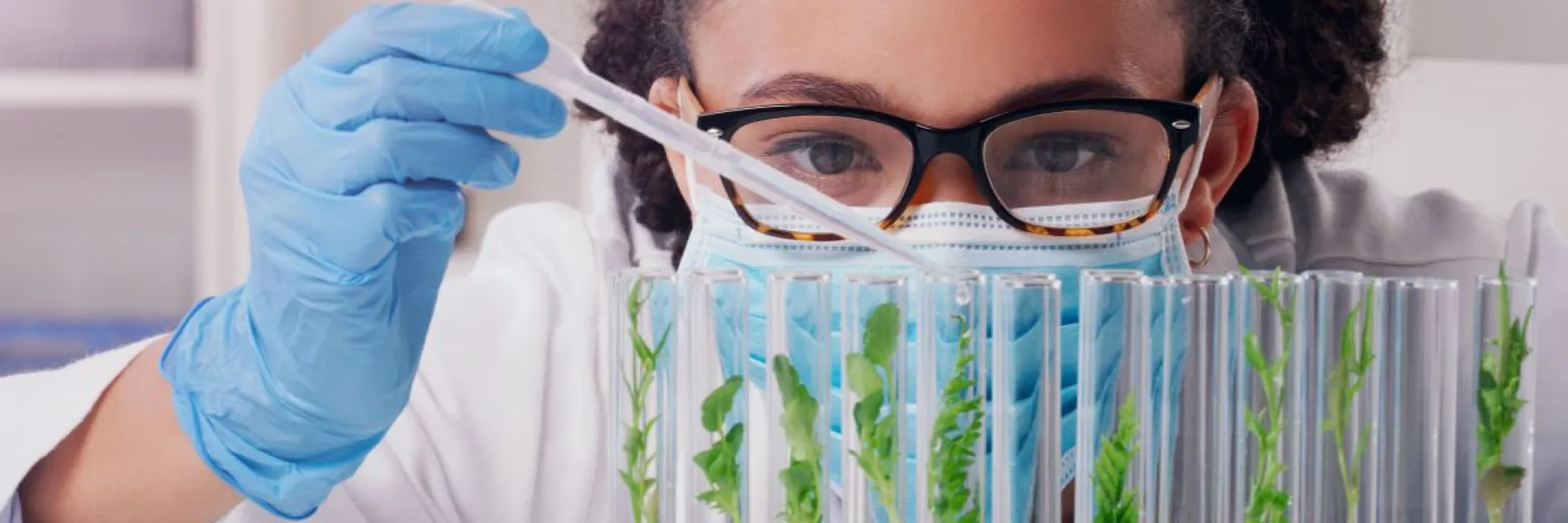
Biotechnologies are key for making critical sectors like healthcare, farming, and the bioeconomy more modern and suited to the need of European citizens. A prominent area is the production of therapeutic proteins and other drugs through genetic engineering.
Examples (indicative and non-exhaustive):
DNA/RNA
Genomics; pharmacogenomics; gene probes; genetic engineering; DNA/RNA sequencing/synthesis/amplification; gene expression profiling, and use of antisense technology; large-scale DNA synthesis; new genomic techniques; gene drive.
Proteins and other molecules
Sequencing/synthesis/engineering/manufacturing of proteins and peptides (including large molecule hormones); improved delivery methods for large molecule drugs; proteomics; protein isolation and purification; signalling; identification of cell receptors; developing polyclonal products.
Cell and tissue culture and engineering
Cell/tissue culture; tissue engineering (including tissue scaffolds and biomedical engineering); cellular fusion; marker assisted breeding technologies; metabolic engineering; cell therapies; bioprinting of cells/replacement organs.
Process biotechnology techniques
Fermentation using bioreactors; biorefining; bioprocessing; bioleaching; biopulping; biobleaching; biodesulphurisation; bioremediation; biosensing; biofiltration and phytoremediation; molecular aquaculture; protection and decontamination including human decontaminating agents; biocatalysis, novel test techniques suitable for high throughput screening; process improvement and delivery optimisation for biopharmaceuticals and advanced therapy medicinal products.
Gene and RNA vectors
Gene therapy; viral vectors
Bioinformatics
Construction of databases on genomes; protein sequences; modelling complex biological processes; including systems biology; developing personalised genomics.
Nanobiotechnology
Application of the tools and processes of nano/microfabrication to build devices for studying biosystems and applications in drug delivery, diagnostics, manufacturing.

Defence technologies are those referred to in the Annex to Directive 2009/43/EC, including the EU Common Military List as updated yearly by the Council.
They are also the technologies that relate to the priority capability areas identified by the European Council on 6 March 2025, namely: air and missile defence, artillery systems, including deep precision strike capabilities, missiles and ammunition, drones and anti-drone systems, strategic enablers, including in relation to space and critical infrastructure protection, military mobility, cyber, artificial intelligence and electronic warfare.
Examples (indicative and non-exhaustive):
Air and missile defence
Integrated multi-layered air and missile defence systems, interceptors, detection systems (radars)
Artillery & precision strike
Artillery systems, long-range precision strike, advanced munitions
Missiles & ammunition
Guided missiles and ammunition, conventional munitions, warheads, propellants
Drones & counter-drones
UAVs (all classes), swarming systems, jammers, anti-UAV systems
Strategic enablers
Space assets and their protection, space situational awareness, space-based services such as Earth Observation, PNT and secure communications, critical infrastructure protection, energy security
Cyber, AI & electronic warfare
AI for command and control, cyber-defence, information warfare, electromagnetic spectrum operations, including electronic warfare suites, digital transformation of armed forces, optronics and radiofrequency systems
Military mobility
Warehousing and engineering capabilities, sustainable and agile logistics, additive manufacturing for combat maintenance
Ground combat
Close fire support systems, soldier systems, manned and unmanned ground systems
Maritime
Maritime situational awareness, surface and underwater combat manned and unmanned systems, seabed and anti-submarine warfare systems
Air combat
Air combat systems, airborne early warning, tactical and strategic air transport systems, rotorcraft, air-to-air refuelling
Medical (incl. countermeasures)
CBRN warfare including dedicated sensors and protective, decontamination and recovery systems