
TENSIS will develop and validate a high-resolution, radiation-tolerant space camera sensor, strengthening Europe's autonomy in space imaging
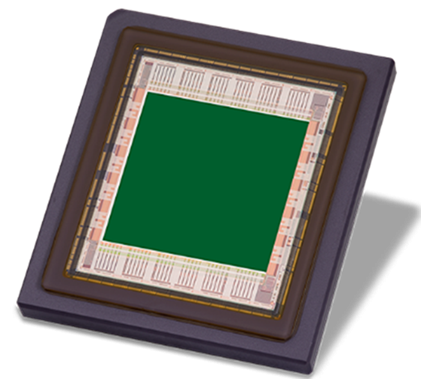
With about €3 million in EU funding, TENSIS aims to design, manufacture, and validate a 400MP space camera sensor (24K x 16K format) with radiation resistance, ensuring high-quality imaging for future space missions. Using advanced semiconductor technology, the project will enhance light sensitivity and image clarity through custom optical filters and back-side illumination (BSI). By reaching TRL (Technology Readiness Level) 7, TENSIS will reduce Europe’s reliance on non-EU suppliers for critical space imaging technology.
Explore EU innovative projects awarded the STEP Seal. View projects’ details, funding status, and connect with promoters via the interactive dashboard.
Other STEP stories on digital tech
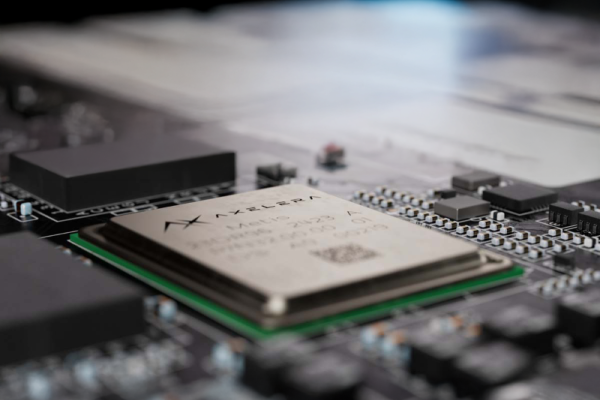
Axelera-FAST (Fueling Axelera’s Semiconductor & AI Transformation) is a project designed to scale Axelera AI up and mass-produce Europe’s first fully sovereign AI acceleration platform.
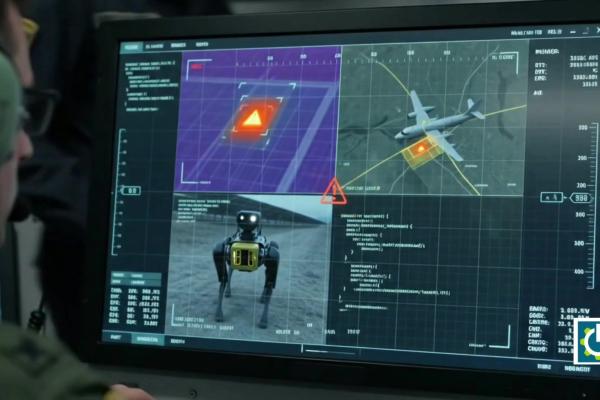
Europe’s critical infrastructure needs smarter protection. MIRAGE brings together autonomous robots, advanced sensors and AI to monitor energy sites and logistics hubs with greater precision, wider coverage and lower cost.

OpenEuroLLM will develop a family of Large Language Model (LLMs) covering all EU official languages, ensuring transparency, compliance with the AI Act, and uptake among European businesses, startups, and innovators
Discover STEP
Read more about STEP and its results
Learn about the Strategic Technologies for Europe Platform (STEP): its mission to boost EU investment in critical technologies, its scope and its synergies with 11 EU funding programmes. Driving innovation and competitiveness across Europe.
Discover innovative projects in digital, clean, bio and defence technology sectors and explore how they shape the future of innovation in Europe.
Funding allocations, STEP Seal projects, and sectoral investment trends in digital, clean-tech, and biotech. See how EU investments drive innovation and strategic autonomy.
This page was last reviewed on 15 May 2025